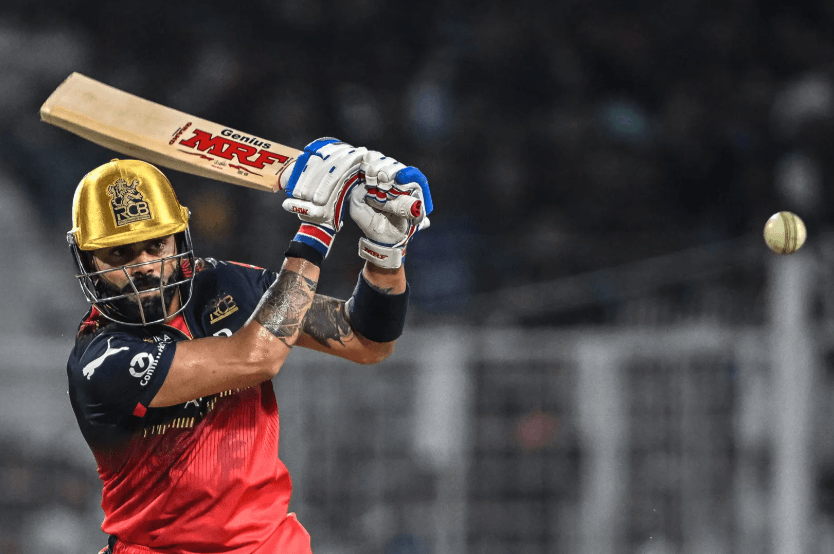
Cricket reporting has a hard job during live play. The match keeps changing, but the story cannot be treated as finished before the result arrives. One wicket may matter, or it may bring in a better batter for that situation. One expensive over may show pressure, or it may be a small error before the stronger bowler returns. Live odds can help show movement inside the game, but they need careful language. Good sports reporting does not chase every swing. It explains why the match has shifted and what still remains uncertain.
Live odds belong inside match context
A live number can move quickly, but a journalist still has to ask what caused the move. Was it a wicket? Was it the loss of a set batter? Did the required rate rise because of two quiet overs? Did the pitch slow down? Without that context, live odds become a loose statistic rather than a useful piece of reporting.
That is why some cricket readers check desi live odds cricket while following a match, especially when they want score movement, live updates, and changing game conditions close together. For a reporter, the useful part is not the number alone. It is the chance to compare the number with what is happening on the field: player roles, bowling choices, weather, field settings, and the stage of the innings.
The danger of writing too early
Live cricket can tempt writers into strong claims too soon. A batting side hits two boundaries, and suddenly the chase is called easy. A bowler takes one wicket, and the match is described as finished. Cricket rarely works that cleanly. A game can turn twice in the same over. It can look gone, then come back because of one dropped catch or one poor bowling change.
A better report keeps the sentence open enough for the match to breathe. Instead of saying a team has taken control, it is more accurate to say the last two overs have shifted pressure toward the bowling side. Instead of saying the chase is over, it is safer to explain that the batting side now needs riskier shots because the required rate has climbed. This kind of writing stays clear without pretending certainty.
What reporters should check before explaining movement
A live odds shift should never be described in isolation. Cricket has too many moving parts. A good reporter checks the match around the number before turning it into a line of analysis.
- Who got out, and how set was that player?
- Which batter has just entered?
- Which bowlers still have overs left?
- Has the scoring rate changed across several overs?
- Is the pitch helping pace, spin, or slower balls?
- Did weather, dew, or light change the conditions?
- Is the field forcing shots toward the harder boundary?
These checks make the report sharper. A wicket of a lower-order batter does not carry the same weight as the wicket of a player controlling the innings. A 10-run over does not mean the same thing if it comes from a fifth bowler rather than the best death option. The detail around the event tells the reader how seriously to treat the movement.
How to describe pressure without exaggeration
Pressure is one of the most used ideas in cricket writing, but it needs evidence. A reporter can show pressure through dot balls, a rising required rate, missed singles, rushed shots, or a batter being forced into the weaker side of the ground. These details are stronger than broad language about panic or collapse.
For example, a chase may need 54 from 36 balls. On paper, that is reachable. But if the last four overs brought only 18 runs and the next over belongs to the best bowler, the situation reads differently. The pressure is not created by the number alone. It comes from the pattern.
This is where live odds can support reporting. If the number moves after a quiet spell, the writer can explain the cricket behind the move. The odds show that the match has shifted. The report should show why.
Journalism needs distance from the live feed
A live feed moves fast. Journalism needs a little more distance. That does not mean writing slowly. It means avoiding the habit of treating every ball as a final verdict. The reader should be given enough detail to understand the moment, but also enough caution to know that the match can still change.
This is especially true in T20 cricket, where six balls can rewrite the finish. In ODIs, the movement may build through the middle overs. In Tests, the shift may come through ball age, a wearing surface, or a session where a team survives without scoring quickly. Each format asks for a different reading. The journalist’s job is to match the language to the format.
Clear reporting also avoids turning live odds into a prediction. A number can be part of the match picture, not the whole picture. It can signal that the fielding side has gained ground, but it cannot account for every dropped catch, review, injury, misfield, or sudden change in weather.
The stronger way to report a moving match
Good live cricket reporting is built on restraint. It watches the number move, then checks the game behind it. The score may show runs and wickets, while live odds show changing expectations. Neither is enough alone. The stronger report connects both to the field: who is batting, who is bowling, what conditions look like, and which phase comes next.
That approach gives readers a cleaner understanding of the match while it is still being played. It avoids hype, keeps the uncertainty honest, and makes live odds part of the cricket story rather than a shortcut around it. The result is reporting that feels faster than a recap but more thoughtful than a raw update.